
Competitive markets require organizations to treat culture as a strategic asset. Culture workshops provide tailored, practical interventions that target team-level cultural barriers to engagement and retention. This article explains the mechanisms, benefits, and measurable outcomes of these workshops so organizations can address issues such as low morale, elevated turnover, and diminished motivation with clear, implementable actions.
Culture workshops create structured, interactive forums for employees to surface workplace perceptions and co-design solutions. They establish accountability and produce culture plans that map directly to strategic objectives. The sections below outline how workshops influence organizational culture, the interactive design elements that increase effectiveness, and the engagement strategies they reinforce.
What Are Culture Workshops and Their Role in Workplace Culture Improvement?
Culture workshops are facilitated sessions that diagnose cultural issues and activate behavioural change across teams. They combine structured dialogue, evidence-based exercises, and feedback loops to improve communication, collaboration, and psychological safety—core drivers of a healthy organisational culture.
The primary aim of culture workshops is to build belonging and ownership among employees. When staff feel heard and respected, engagement and productivity rise. Workshops also produce documented culture plans aligned to strategic goals, ensuring cultural work supports operational performance and employee wellbeing.
How Do Culture Workshops Define and Influence Organizational Culture?
Culture workshops define and influence organisational culture by creating evidence-based forums for employees to share experiences and identify systemic issues. Tailored interventions address specific cultural gaps and align workshop outcomes with business priorities to maximise relevance and impact.
Beyond immediate feedback, workshops help embed long-term cultural norms by modelling transparent decision-making and collaborative behaviours. This alignment between individual values and organisational objectives supports a consistent, cohesive culture that sustains performance.
What Interactive and Tailored Features Characterize Effective Culture Workshops?
Effective culture workshops combine interactivity with tailored design to improve learning retention and behaviour change. Core design principles include:
- Customization to Organizational Needs: Workshops should be designed to address the specific cultural challenges faced by the organization, ensuring relevance and applicability.
- Hands-on Techniques: Incorporating practical activities and exercises allows participants to actively engage with the content, facilitating deeper understanding and retention.
- Focus on Engagement: Workshops that prioritize employee involvement and feedback create a more dynamic learning environment, leading to greater buy-in and commitment to cultural change.
When these elements are integrated, workshops produce actionable outcomes that teams can implement immediately, increasing the likelihood of sustained behaviour change.
Which Employee Engagement Strategies Are Strengthened Through Culture Workshops?
Culture workshops reinforce engagement strategies that deliver measurable organisational benefit. They do so by creating structured opportunities to codify behaviours, measure results, and iterate on interventions.
- Empowerment and Ownership: By involving employees in discussions about culture, workshops empower them to take ownership of their work environment, leading to increased motivation and accountability.
- Values Alignment: Workshops help align individual and organizational values, ensuring that employees feel connected to the company‘s mission and vision.
- Recognition Programs: Implementing recognition initiatives during workshops reinforces positive behaviors and achievements, further enhancing employee engagement.
These strategies strengthen retention and collaboration, yielding a more cohesive and productive workforce that supports strategic objectives.
How Do Culture Workshops Foster Motivation and Team Building?
Culture workshops foster motivation and team cohesion by providing structured spaces for candid dialogue and joint problem solving. These sessions reduce silos, improve interpersonal trust, and create clear behavioural expectations.
Workshops deliver tailored solutions for team-level motivation, such as targeted team-building exercises and learning modules. Ongoing development opportunities introduced during sessions enable employees to expand capabilities, which supports engagement and internal mobility.
What Measurable Outcomes Demonstrate Improved Employee Engagement?
Evaluating workshop impact requires defined metrics and comparative measurement. Typical indicators include:
- Employee Engagement Scores: Pre- and post-workshop surveys quantify changes in engagement and satisfaction.
- Turnover Rates: Tracking departures over time indicates whether retention improves after interventions.
- Productivity Levels: Operational metrics help determine whether engagement gains translate into performance improvements.
| Metric | Description | Value |
| Employee Engagement Scores | Measure of employee satisfaction and commitment | Increased by 20% post-workshop |
| Turnover Rates | Percentage of employees leaving the organization | Decreased by 15% within six months |
| Productivity Levels | Output per employee | Improved by 10% following workshops |
The table summarises representative outcomes and illustrates how workshops can deliver quantifiable improvements in engagement and performance.
How Do Culture Workshops Drive Employee Retention Techniques and Results?
Culture workshops address root causes of turnover by strengthening employees’ sense of value, connection, and clarity of role. The interventions focus on systems and behaviours that make retention a measurable business outcome.
- Tailored Engagement Programs: Workshops can help develop programs that cater to the specific needs and preferences of employees, increasing their commitment to the organization.
- Empowerment and Ownership: Encouraging employees to take ownership of their roles fosters a sense of belonging, which is crucial for retention.
- Values Alignment: Ensuring that employees’ values align with the organization‘s mission enhances their connection to the company, reducing the likelihood of turnover.
When organisations implement these techniques consistently, they reduce attrition and lower the direct and indirect costs associated with recruiting and onboarding replacements.
What Retention Challenges Do Culture Workshops Address in Various Industries?
Culture workshops can be adapted to mitigate industry-specific retention risks by addressing the operational and psychosocial drivers of turnover.
- Healthcare Sector Challenges: High-stress environments can lead to burnout and turnover among healthcare professionals. Culture workshops can help create supportive networks and promote work-life balance.
- Technology Industry Needs: Rapid changes in technology can create uncertainty among employees. Workshops can foster a culture of continuous learning and adaptability, enhancing retention.
- Manufacturing Safety Culture: Ensuring a safe work environment is critical in manufacturing. Culture workshops can promote safety awareness and accountability among employees.
By tailoring content to sector risks—such as burnout in healthcare or change fatigue in technology—workshops improve relevance and retention outcomes.
How Is Retention Impact Measured Post-Workshop Implementation?
Assessment of retention impact combines quantitative monitoring with qualitative insight. Organisations should triangulate multiple data sources to form a reliable picture.
- Employee Engagement Scores: Regular surveys can track changes in engagement levels, providing insights into retention trends.
- Turnover Rates: Monitoring turnover rates before and after workshops helps determine the effectiveness of cultural initiatives.
- Qualitative Feedback: Gathering feedback from employees about their experiences and perceptions can provide valuable insights into the impact of workshops on retention.
Using these methods together enables leaders to attribute retention changes to workshop interventions and to refine programmes based on evidence.
What Is the Leadership Role in Maximizing Culture Workshop Benefits?
Leadership is essential to convert workshop outputs into organisational change. Leaders must endorse priorities, model behaviours, and allocate resources to embed new practices.
- Modeling Desired Behaviors: Leaders should exemplify the values and behaviors they wish to see in their teams, reinforcing the importance of a positive culture.
- Encouraging Participation: Actively involving employees in workshops fosters a sense of ownership and commitment to cultural change.
- Continuous Communication: Keeping lines of communication open ensures that employees feel supported and informed about ongoing cultural initiatives.
When leaders sustain visible support and translate workshop recommendations into policy and performance expectations, the probability of lasting change increases significantly.
How Can Leaders Align Organizational Culture with Business Objectives?
Leaders align culture with strategy by translating core values into measurable behaviours and integrating them into governance, performance management, and talent practices.
- Defining Core Values: Clearly articulating the organization‘s core values helps employees understand the cultural expectations and their role in achieving business goals.
- Empowering Employees: Providing employees with the autonomy to make decisions fosters a sense of ownership and accountability, aligning their efforts with organizational objectives.
- Fostering Open Communication: Encouraging open dialogue about cultural initiatives ensures that employees feel heard and valued, reinforcing their commitment to the organization‘s mission.
Clear values, distributed authority, and systematic communication align daily practices with strategic targets and improve organisational resilience.
What Practical Steps Can HR Professionals Take to Support Culture Change?
HR professionals operationalise culture change by embedding workshop learnings into talent processes and by establishing metrics and governance to monitor progress.
- Leadership Alignment: Ensuring that leadership is aligned with cultural initiatives is crucial for driving change.
- Clear Communication: Communicating the importance of culture change to all employees helps foster buy-in and commitment.
- Employee Engagement: Actively involving employees in the culture change process encourages ownership and accountability.
HR should prioritise leadership development, integrate cultural competencies into job frameworks, and establish regular measurement to sustain momentum.
Which Workshop Formats and Delivery Methods Optimize Employee Engagement and Retention?
Choosing the right format and delivery method determines a workshop’s operational effectiveness. Formats should be selected to match the organisation’s context and desired outcomes.
- Interactive Formats: Workshops that incorporate hands-on activities and group discussions foster greater participation and engagement.
- Tailored Delivery Methods: Customizing the delivery method to suit the organization‘s needs ensures that the content is relevant and impactful.
- Long-term Impact: Implementing follow-up sessions and ongoing support helps reinforce the lessons learned during workshops, promoting sustained cultural change.
Interactive, customised delivery combined with follow-up support produces higher adoption rates and clearer ROI on cultural initiatives.
How Do Tailored and Interactive Sessions Enhance Workshop Effectiveness?
Tailored, interactive sessions improve transfer of learning by aligning content to participants’ reality and enabling practise of target behaviours in safe conditions.
- Customization to Organizational Needs: Tailoring content to address specific cultural challenges ensures relevance and applicability.
- Hands-on Activities: Incorporating practical exercises allows participants to actively engage with the material, facilitating deeper understanding.
- Engagement Through Interactivity: Interactive sessions promote collaboration and open dialogue, fostering a sense of community among participants.
Practical application during sessions accelerates behavioural change and makes it easier for teams to implement new practices after the workshop.
What Industry-Specific Adaptations Improve Workshop Relevance?
Industry-specific adaptations increase a workshop’s relevance by addressing operational realities and regulatory or cultural constraints unique to a sector.
- Healthcare Sector Adaptations: Workshops can focus on stress management and team cohesion to address the unique challenges faced by healthcare professionals.
- Technology Industry Focus: Incorporating elements of innovation and adaptability can help tech companies navigate rapid changes in the industry.
- Retail Customer Service Culture: Workshops can emphasize the importance of customer service and teamwork to enhance the overall retail experience.
Designing content around sector priorities—such as safety in manufacturing or agility in technology—ensures immediate applicability and stakeholder buy-in.
How Can Organizations Measure and Monitor the ROI of Culture Workshops?
Measuring ROI requires linking workshop outputs to business metrics and tracking change over defined intervals. Use mixed methods and baseline comparisons.
- Employee Engagement Scores: Tracking changes in engagement levels before and after workshops provides insights into their effectiveness.
- Turnover Rates: Monitoring turnover rates can help organizations determine if culture workshops contribute to improved retention.
- Performance Analytics: Analyzing productivity metrics can reveal whether enhanced engagement translates into better performance.
Combine quantitative indicators with qualitative feedback to build a robust ROI narrative that guides subsequent investments.
What Key Performance Indicators Reflect Engagement and Retention Improvements?
KPIs should be specific, measurable, and tied to strategic objectives. Select indicators that can be tracked regularly and benchmarked over time.
- Employee Engagement Scores: Regular surveys can track changes in engagement levels, providing insights into retention trends.
- Turnover Rates: Monitoring turnover rates before and after workshops helps determine the effectiveness of cultural initiatives.
- Productivity Metrics: Analyzing productivity levels can reveal whether enhanced engagement translates into better performance.
Consistent KPI tracking enables leaders to demonstrate impact, prioritise interventions, and allocate resources based on evidence.
How Do Case Studies and Recent Statistics Validate Workshop Impact?
Case studies and statistics provide the empirical basis for scaling workshop programmes. They allow organisations to replicate proven interventions and estimate likely returns.
- Tracking Engagement Scores: Organizations that implemented culture workshops reported a significant increase in employee engagement scores, demonstrating the positive impact of these initiatives.
- Analyzing Turnover Rates: Companies that invested in culture workshops experienced a notable decrease in turnover rates, highlighting the importance of fostering a positive workplace culture.
- Utilizing Qualitative Data: Gathering qualitative feedback from employees about their experiences during workshops can provide valuable insights into the effectiveness of cultural initiatives.
Empirical examples validate workshop approaches and provide practical templates for implementation and evaluation.
To further explore how culture workshops can benefit your organization, consider the services offered by specialized firms.
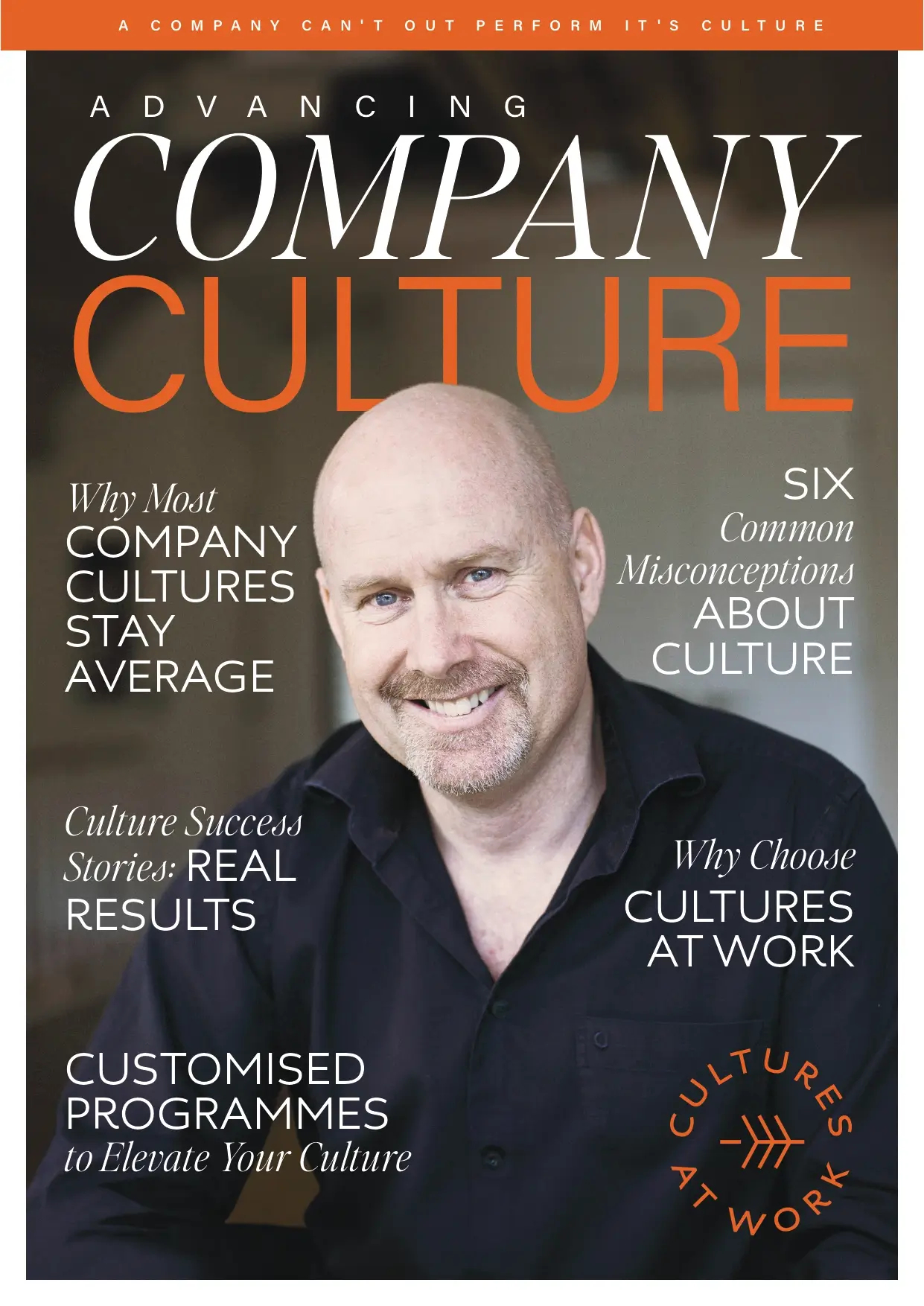
Culture is key, and Culture at Work’s services are designed to help you build a better one.
Understanding the impact of Culture at Work on employee engagement is crucial for organizational success.
Frequently Asked Questions
What types of activities are typically included in culture workshops?
Culture workshops typically combine structured dialogue with practical exercises to build capability and alignment. Common elements include facilitated group discussions, role-based scenarios, team-building tasks, and feedback sessions. Workshops often include applied practice so participants can rehearse new behaviours in a controlled setting, which improves retention and transfer to the workplace.
How can organizations ensure the long-term effectiveness of culture workshops?
To secure long-term impact, schedule follow-up sessions, integrate workshop outcomes into performance frameworks, and maintain regular measurement. Use refresher trainings, progress check-ins, and employee feedback channels to reinforce behaviours. Embedding lessons into policy and daily routines helps convert workshop gains into sustained cultural change.
What role does employee feedback play in shaping future culture workshops?
Employee feedback is a primary input for continuous improvement. Use surveys, focus groups, and post-workshop interviews to identify what worked, what did not, and where adjustments are required. Incorporating employee insight increases relevance, strengthens ownership, and improves subsequent engagement and outcomes.
How do culture workshops contribute to diversity and inclusion in the workplace?
Culture workshops create structured opportunities to surface and address bias, improve cross-cultural understanding, and standardise inclusive behaviours. By facilitating candid conversations and practical exercises, workshops help organisations embed inclusive practices that improve retention and broaden the talent base.
What challenges might organizations face when implementing culture workshops?
Common implementation challenges include scepticism among staff, competing operational priorities, and limited resources. Workshops that are not tailored to organisational needs may fail to engage participants. Mitigation strategies include clear communication of objectives, executive sponsorship, and co-design with employee representatives.
Can culture workshops be adapted for remote or hybrid work environments?
Yes. Virtual and hybrid formats can replicate interactive elements through breakout rooms, polls, and collaborative documents. Design adjustments should address remote-specific dynamics and ensure equitable participation so that distributed teams derive the same practical outcomes as in-person sessions.
Conclusion
Culture workshops deliver targeted, evidence-based interventions that strengthen engagement and retention when they are aligned to strategy and measured against clear KPIs. Organisations that integrate workshop outcomes into leadership practice, talent systems, and operational metrics can expect measurable gains in morale, performance, and retention. Contact a specialist to design a tailored programme that addresses your organisation’s priorities. Ready to take the next step? Book a discovery call with Culture at Work today to discuss your organization’s needs.